


“ Your Well-Being is Our Highest Priority “
At ALPS Clinic, we are dedicated to providing exceptional care for a wide range of surgical conditions, from routine general surgeries to the complex hepatobiliary (Liver, Gall bladder, Bile duct), pancreatic, and liver transplant procedures. Our mission is to deliver patient-focused, innovative, and compassionate care that ensures the best possible outcomes for every individual we serve.
We specialize in managing both benign and malignant conditions of the liver, pancreas, gallbladder, and bile ducts, as well as offering a full spectrum of general surgical services, including hernia repairs, gallbladder surgery, gastrointestinal procedures, and soft tissue tumor management.
Led by A/Prof Shridhar Iyer, a renowned specialist in hepatobiliary, pancreatic surgery, and liver transplantation, we perform advanced procedures such as liver resections, Pancreatic resections, Whipple`s surgery, bile duct reconstructions, and minimally invasive surgeries. Expertise in both open and minimally invasive approaches ensures that each patient receives the most appropriate and effective treatment tailored to their unique needs.

With leading expertise in living donor liver transplantation, we offer hope and a new lease on life for patients with end-stage liver disease. A/Prof Iyer is committed in performing these highly complex procedures with precision and care, ensuring the best outcomes for both donors and recipients.
Our care is strengthened by multidisciplinary collaboration across specialties, including gastroenterology, oncology, interventional radiology, and hepatology, enabling us to develop the most effective, personalized treatment plans.
At ALPS Clinic, our goal is not just to treat diseases but to ensure long-term recovery and restored quality of life through holistic, compassionate care.
Whether you need general surgery, advanced hepatobiliary and pancreatic procedures, or life-saving liver transplantation, you can trust us to provide world-class care with integrity, compassion, innovation, and an unwavering commitment to your health and well-being.
OUR SERVICES
- Liver Surgeries
- Gallbladder Surgeries
- Bile Duct Surgeries
- Pancreatic Surgeries
- Splenectomy
- General Surgery & Endoscopy Procedures
- Other Major Surgical procedures
Common liver surgeries:
- Hepatectomy/ Resection of liver
- Partial Hepatectomy (Lobectomy/Segmentectomy) – Removal of a portion of the liver.
- Major Hepatectomy – Removal of more than 50% of the liver.
- Extended Hepatectomy – Removal of up to 70-80% of the liver.
- Minimally invasive Liver surgery• Laparoscopic Liver Resection – Keyhole surgery for liver tumors or cysts.• Robotic Liver Surgery – Robot-assisted liver resection for precise tumor removal.
- Liver Resection for Hepatocellular Carcinoma (HCC) – Surgical removal of liver cancer.
- Liver Resection for Metastatic Liver Tumors – Removal of tumors spread from other organs.
- Laparoscopic Radiofrequency Ablation (RFA) & Microwave Ablation (MWA) – Minimally invasive techniques to destroy liver tumors.
- Laparoscopic and open liver surgery for benign and cancer
Biliary and Liver Drainage Surgeries:
- Biliary Bypass Surgery – Redirects bile flow in cases of obstruction.
- Hepaticojejunostomy – Surgical connection of the bile duct to the small intestine.
Liver Trauma Surgeries:
- Damage Control Surgery for Liver Trauma – Emergency surgery for liver injuries.
- Packing of Liver for Bleeding Control – Temporary control of hemorrhage in liver trauma.
Liver Cyst and Abscess Surgeries:
- Laparoscopic Fenestration of Liver Cyst – Removal of symptomatic liver cysts.
- Drainage of Liver Abscess – Surgical drainage of infected liver abscesses.
Congenital and Pediatric Liver Surgeries:
- Liver Resection for Liver Tumors in Children
Portal Hypertension and Cirrhosis-related Surgeries :
- Distal Splenorenal Shunt (DSRS) – Reduces portal hypertension complications.
- Liver Volume Augmentation (Associating Liver Partition and Portal Vein Ligation – ALPPS) – Stimulates liver regrowth before major resection.
- Cholecystectomy (Gallbladder Removal)
- Laparoscopic Cholecystectomy – Minimally invasive removal of the gallbladder.
- Open Cholecystectomy – Traditional surgery for complex cases or severe inflammation.
- Single Incision Laparoscopic Cholecystectomy (SILC) – Scar-less surgery through a single incision.
- Gallbladder Cancer Surgeries
- Radical Cholecystectomy – Removal of the gallbladder, part of the liver, and lymph nodes.
- Extended Radical Cholecystectomy – Includes additional liver segments and bile duct resection.
- Bile Duct Stone Surgeries
- Choledochotomy with Stone Extraction – Open surgical removal of bile duct stones.
- Laparoscopic Common Bile Duct Exploration (LCBDE) – Minimally invasive bile duct stone removal.
- Biliary Drainage Surgeries
- Hepaticojejunostomy – Surgical bypass to restore bile flow.
- Biliary Stricture and Reconstruction Surgeries
- Choledochojejunostomy – Surgical connection between the bile duct and intestine.
- Roux-en-Y Hepaticojejunostomy – Reconstruction for bile duct injury or obstruction.
- Biliary Stricture Repair – Surgical correction of narrowed bile ducts.
- Bile Duct Cancer (Cholangiocarcinoma) Surgeries
- Bile Duct Resection with Reconstruction – Removal of the affected bile duct and reconnection.
- Whipple Procedure (Pancreaticoduodenectomy) – Surgery for tumors at the bile duct’s pancreatic end.
- Liver Resection for Hilar Cholangiocarcinoma (Klatskin Tumor) – Removal of the bile ducts and part of the liver.
- Congenital Biliary Disorders Surgeries
- Excision of Choledochal Cyst with Hepaticojejunostomy – Surgical removal of bile duct cysts.
- Trauma and Miscellaneous Surgeries
- Repair of Bile Duct Injury (Post-Cholecystectomy) – Reconstruction of the injured bile duct.
- Biliary-enteric Anastomosis – Bypass surgery to restore bile flow in cases of bile duct obstruction.
- Pancreatic Resection Surgeries (Tumor & Cancer)
- Pancreaticoduodenectomy (Whipple Procedure)
- Standard procedure for tumors in the head of the pancreas.
- Involves removal of the pancreatic head, duodenum, gallbladder, and bile duct..
- Distal Pancreatectomy/ Subtotal Pancreatectomy/ Radical Antegrade Modular Pancreato-splenectomy ( RAMPS)
- Removal of the pancreatic body and tail (left-sided tumors)
- Often combined with splenectomy (removal of the spleen).
- Total Pancreatectomy
- Removal of the entire pancreas, duodenum, gallbladder, bile duct, and spleen.
- Used in widespread pancreatic cancer or genetic pancreatic diseases.
- Central Pancreatectomy
- Preserves pancreatic function by removing a tumor in the mid-pancreas while keeping the head and tail.
- Enucleation of Pancreatic Tumors
- Minimally invasive removal of small, benign tumors (e.g., insulinomas) without affecting major pancreatic function.
- Minimally Invasive Pancreatic Surgeries
- Laparoscopic Pancreatectomy – Minimally invasive technique for tumors or cysts.
- Robotic Pancreatectomy – Robotic-assisted removal for better precision.
- Laparoscopic Enucleation – Keyhole surgery to remove small, benign pancreatic tumors.
- Drainage & Bypass Surgeries (Pancreatitis & Obstruction)
- Pancreatic Pseudocyst Drainage
- Laparoscopic or Open Cystogastrostomy/Cystojejunostomy – Surgical connection of the cyst to the stomach/intestine for drainage.
- Lateral Pancreaticojejunostomy (Puestow Procedure)
- Longitudinal opening of the main pancreatic duct to the small intestine.
- Used for chronic pancreatitis with ductal obstruction.
- Frey’s Procedure
- Combines pancreatic head decompression with a lateral pancreaticojejunostomy.
- Used for chronic pancreatitis with pancreatic head enlargement.
- Beger’s Procedure
- Partial removal of the pancreatic head with reconstruction.
- Used for chronic pancreatitis when the pancreatic head is the main issue.
- Duodenum-Preserving Pancreatic Head Resection (DPPHR)
- Includes Beger’s and Frey’s techniques but preserves the duodenum.
- Alternative to Whipple in chronic pancreatitis.
- Pancreatic Trauma & Miscellaneous Surgeries
- Damage Control Surgery for Pancreatic Injury – Emergency surgery for pancreatic trauma
- Drain Placement for Pancreatic Fistula – Prevents leakage of pancreatic fluids.
- Pancreatic Necrosectomy – Surgical removal of dead (necrotic) pancreatic tissue in severe pancreatitis.
- Laparoscopic Splenectomy
- Minimally invasive procedure using small incisions and a camera.
- Preferred for small to moderately enlarged spleens.
- Reduces hospital stay, pain, and recovery time.
- Robotic-Assisted Splenectomy
- Uses robotic arms for precision and dexterity.
- Open Splenectomy
- Traditional surgery through a large abdominal incision.
- Used for massive splenomegaly, trauma, or malignancies.
- Preferred when adhesions, excessive bleeding, or large tumors are present.
- Laparoscopic appendicectomy for acute appendicitis
- Small bowel resections
- Repair of perforated gastric ulcers
- Abscess drainage
- Excision of skin lumps/ Subcutaneous lumps
- Laparoscopic/open groin hernia repair surgery
- Laparoscopic umbilical hernia repair surgery
- Laparoscopic abdominal wall hernia repair surgery
- Colonoscopy
- Gastroscopy
- Multivisceral resections for cancer
- Peritonectomy
- Intra-abdominal soft tissue tumors / Sarcomas
- Liver/ Biliary / Pancreas surgeries requiring vascular resection and reconstruction
Patient Education
- Liver Cancer
Malignant tumors such as hepatocellular carcinoma (HCC) and cholangiocarcinoma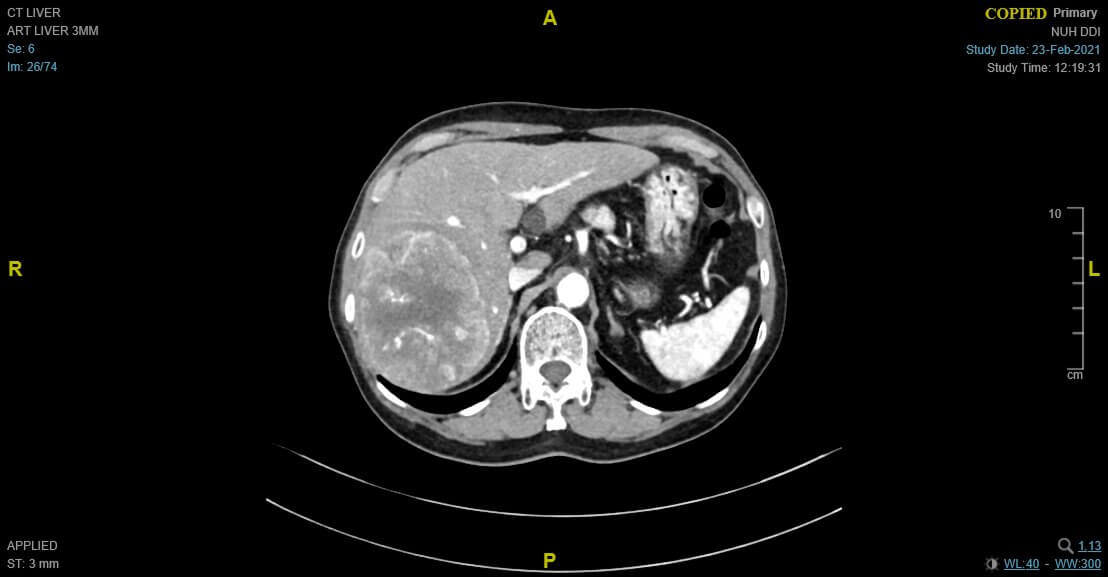
- Liver Cysts and Cystic Tumors
Fluid-filled liver growths, including simple cysts and cystadenomas.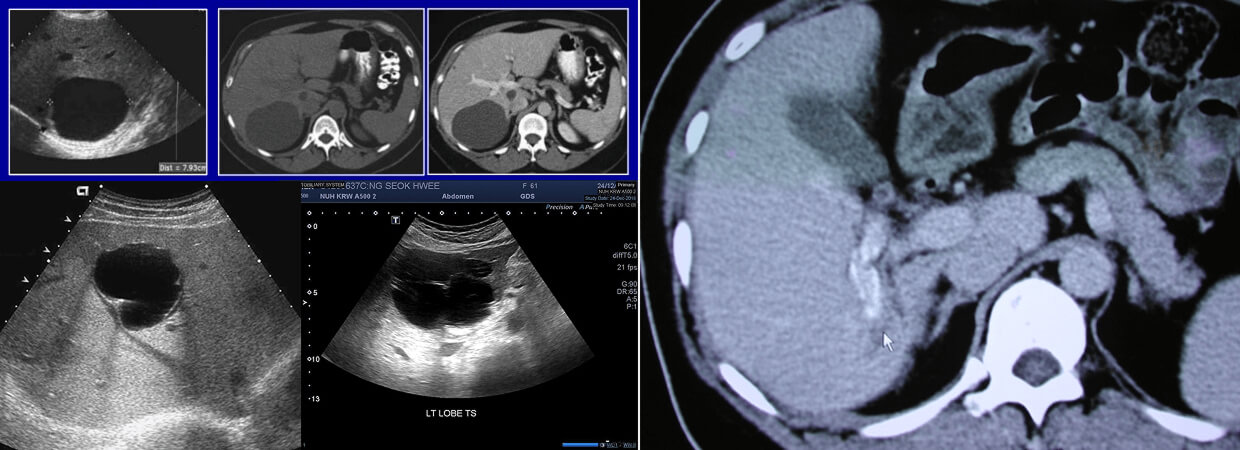
- Liver Benign Tumors
Non-cancerous liver growths such as hepatic adenoma and hemangioma. - Liver Abscess
Pus-filled infections in the liver, often requiring drainage or surgery. - Hepatolithiasis
Stones in the liver ( bile ducts in the liver)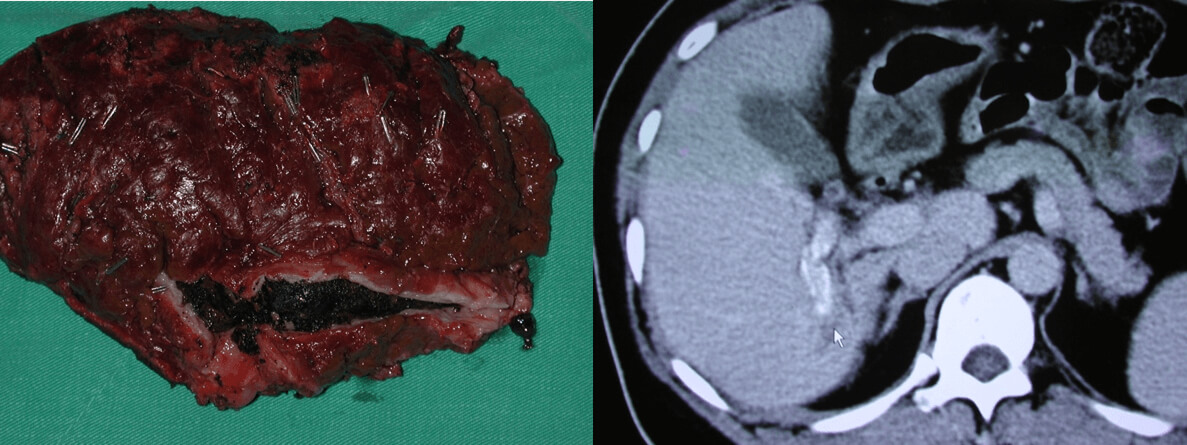
- Liver Cirrhosis and Portal Hypertension
Chronic liver disease causing scarring, leading to complications like varices and ascites.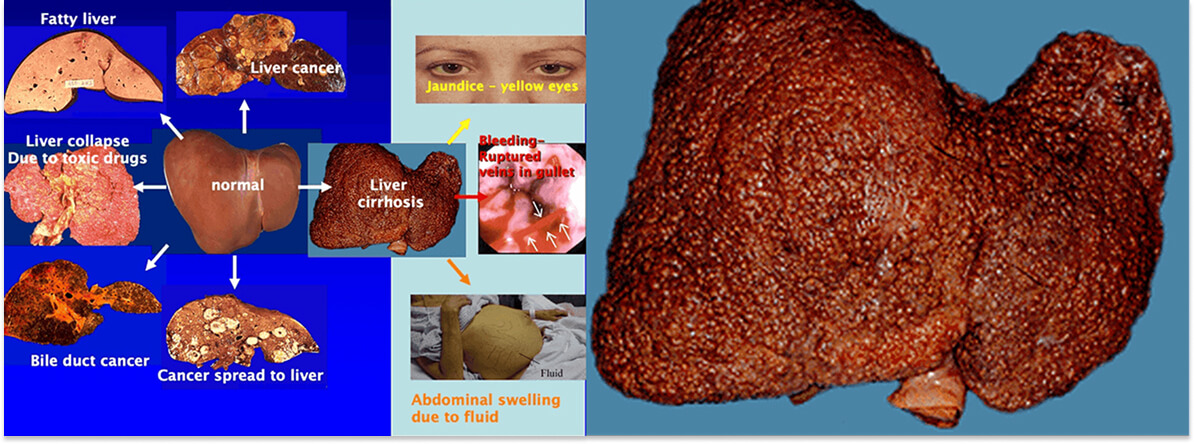
- Minimally Invasive Liver Surgery
Laparoscopic and robotic liver procedures for tumor resection and cyst drainage.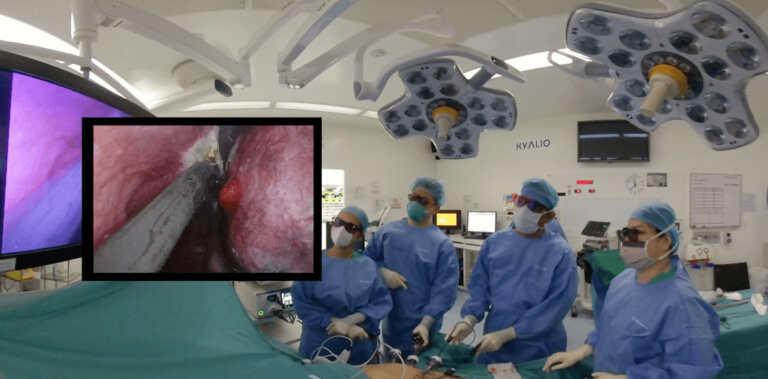
In general Minimally Invasive Liver surgery have some advantages
*However not all situations are suited for Minimally invasive surgery:
| Factor | Minimally Invasive Surgery | Open Surgery * |
|---|---|---|
| Incision Size | Small incisions (keyhole-sized) | Large abdominal incision |
| Recovery Time | Faster recovery, often within weeks | Longer recovery, may take months |
| Recovery Time | Faster recovery, often within weeks | Longer recovery, may take months |
| Postoperative Pain | Less pain due to minimal tissue damage | More pain due to larger incision |
| Hospital Stay | Shorter (a few days) | Longer |
| Risk of Infection | Lower due to smaller incisions | Higher due to larger wound exposure |
| Scarring | Minimal, small scars | Larger, more visible scars |
| Blood Loss | Less blood loss, reduced need for transfusion | Slightly higher |
| Return to Normal Activities | Sooner, often within a few weeks | Longer downtime |
| Complication Risk | Lower risk of hernias, infections, and adhesions | Slightly Higher risk of wound complications and infections |
| Surgical Precision | Enhanced with robotic/laparoscopic magnification | Standard visualization / Or enhanced with magnification |
- Gallstone Disease
Formation of gallstones that can cause pain, infection, or blockage.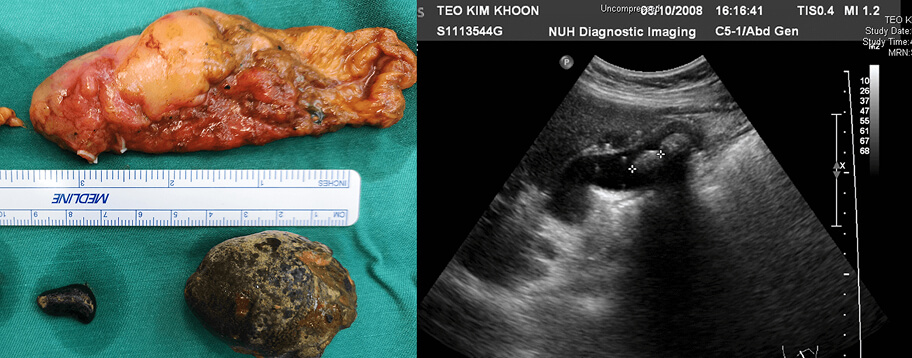
- Biliary Colic
Severe, intermittent upper abdominal pain due to gallstone blockage. - Gallbladder Polyps
Small growths in the gallbladder, some of which may require removal.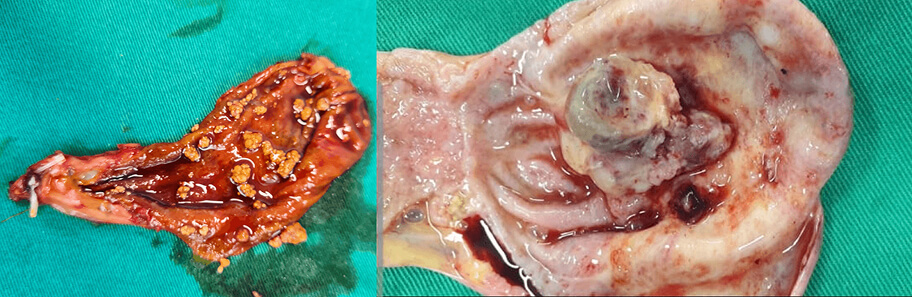
- Acute Cholecystitis, Empyema, or Perforation
Inflammation of the gallbladder, potentially leading to severe infection.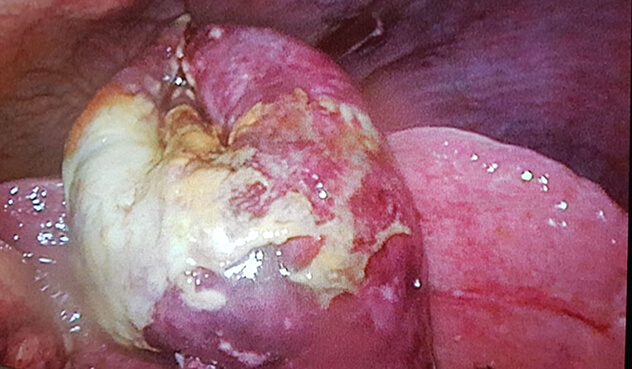
- Gallbladder Masses & Adenomyomatosis
Abnormal growths in the gallbladder, which may be benign or cancerous.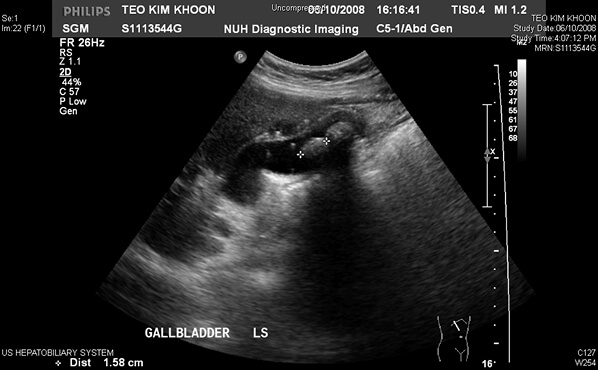
- Gallbladder Cancer
Rare but aggressive malignancy requiring early intervention.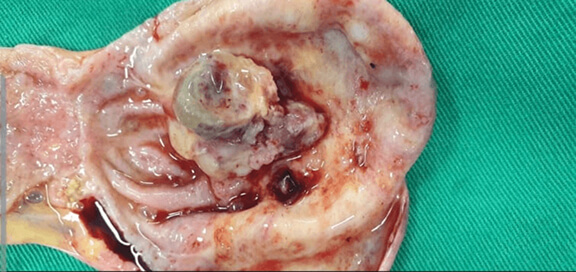
- Choledochal Cyst
Congenital bile duct abnormality that can lead to obstruction or cancer.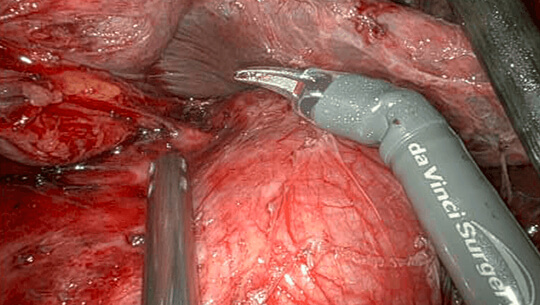
- Bile Duct Stones
Gallstones that migrate into the bile ducts, causing pain or jaundice.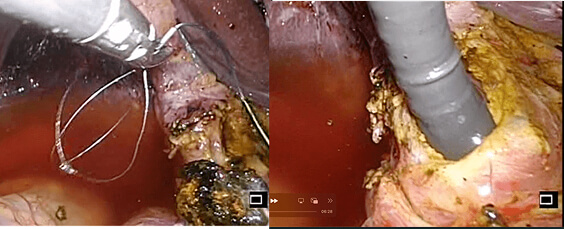
- Bile Duct Cancer (Cholangiocarcinoma)
A rare but serious cancer affecting the bile ducts.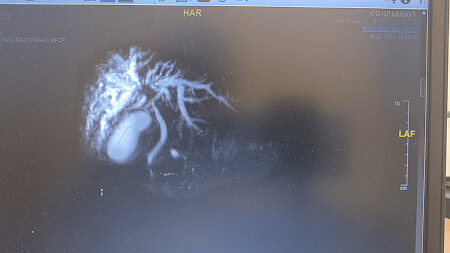
- Bile Duct Strictures & Injuries
Narrowing or damage to the bile ducts, often requiring surgical repair.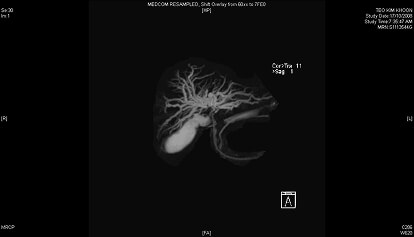
- Bile Duct Surgery
Surgical procedures to remove stones, repair strictures, or treat bile duct tumors.
- Acute Pancreatitis and Its Sequelae
Sudden inflammation of the pancreas, which may lead to complications like necrosis or pseudocysts.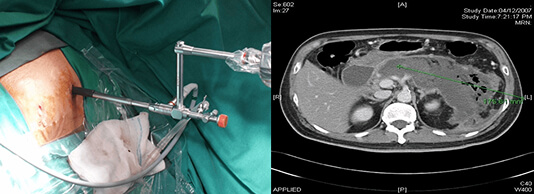
- Chronic Pancreatitis
Long-term inflammation leading to scarring, digestive issues, and pain.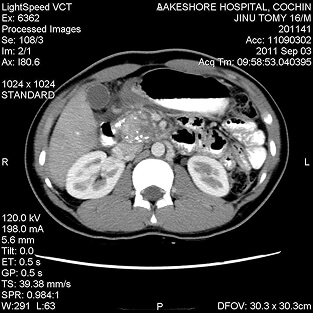
- Pancreatic Stones
Hardened deposits in the pancreatic ducts causing obstruction and pain.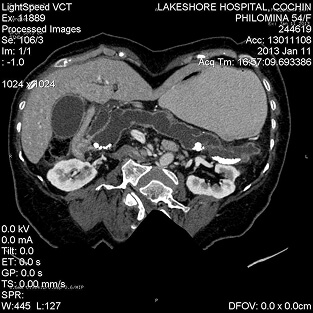
- Pancreatic Cystic Tumors
Fluid-filled growths, which may be benign, pre-cancerous, or malignant. - Pancreatic Neuroendocrine Tumors (PNETs)
Rare tumors that may produce hormones or be non-functional. - Pancreatic Cancer
An aggressive malignancy that often presents late with symptoms like jaundice and weight loss. - Minimally Invasive Pancreatectomy
Laparoscopic or robotic-assisted surgery to remove pancreatic tumors or diseased portions.
-
Splenic Trauma & Rupture
Emergency condition requiring removal or repair of the spleen. -
Hematologic Disorders Requiring Splenectomy
Conditions like immune thrombocytopenia (ITP), hereditary spherocytosis, and sickle cell disease. -
Splenic Tumors & Cysts
Benign or malignant growths in the spleen that may require surgical removal. -
Splenic Abscess & Infections
Pus-filled infections requiring drainage or splenectomy. -
Hypersplenism & Enlarged Spleen (Splenomegaly)
Overactive spleen causing excessive blood cell destruction.
General & Gastrointestinal Surgery
- Appendix Surgery (Appendectomy) – Removal of the appendix for appendicitis, performed laparoscopically or through open surgery.
- Small Bowel / Gut Surgery – Surgical treatment for obstructions, tumors, Crohn’s disease, or perforations.
- Retroperitoneal Tumors – Removal of tumors located behind the abdominal organs, which may be benign or cancerous.
- Hernia Surgery – Repair of groin, abdominal, or hiatal hernias using open or laparoscopic techniques.
- Excision of Lumps & Soft Tissue Tumors – Removal of abnormal growths such as lipomas, cysts, or tumors.

Symptoms That May Require Evaluation & Treatment
- Jaundice (Yellowing of Skin & Eyes) – Often due to liver or bile duct disease.
- Severe Abdominal Pain / Nausea / Vomiting – Can indicate gallstones, pancreatitis, or other serious conditions.
- Upper Abdominal Pain with Fever – Suggestive of infections like cholangitis or cholecystitis.
- Abdominal Distension / Bloating / Ascites – May indicate liver cirrhosis, cancer, or obstruction.
- Unexplained Weight Loss – A potential sign of gastrointestinal malignancies or chronic disease.
- Abnormal Imaging Findings (Liver, Gallbladder, Pancreas, Spleen) – May require further testing or treatment.
- Elevated Tumor Markers – Can suggest liver, pancreatic, or bile duct cancer.
- Abnormal Liver Panel on Health Screening – Indicates potential liver disease, requiring further assessment.
Portal Hypertension and Its Surgical Management
What is Portal Hypertension?
Portal hypertension is high blood pressure in the portal vein system, which carries blood from the intestines to the liver. It is commonly caused by liver cirrhosis, but may also result from portal vein thrombosis or congenital vascular disorders.
Symptoms of Portal Hypertension
- Enlarged spleen (splenomegaly)
- Swelling in the abdomen (ascites)
- Variceal bleeding (esophageal or gastric varices)
- Hepatic encephalopathy (confusion and memory issues)
- Abdominal pain and digestive problems
Surgical and Interventional Management
- Transjugular Intrahepatic Portosystemic Shunt (TIPS) – A minimally invasive procedure creating a pathway between the portal and hepatic veins to reduce pressure.
- Distal Splenorenal Shunt (DSRS) – Redirects blood flow from the spleen to the kidney vein, bypassing the liver.
- Surgical Portosystemic Shunts – Includes mesocaval or portocaval shunts for severe cases.
- Liver Transplantation – The definitive treatment for end-stage liver disease and refractory portal hypertension.
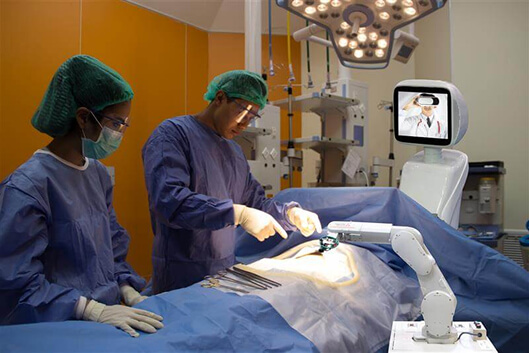
Indications for Liver Transplantation
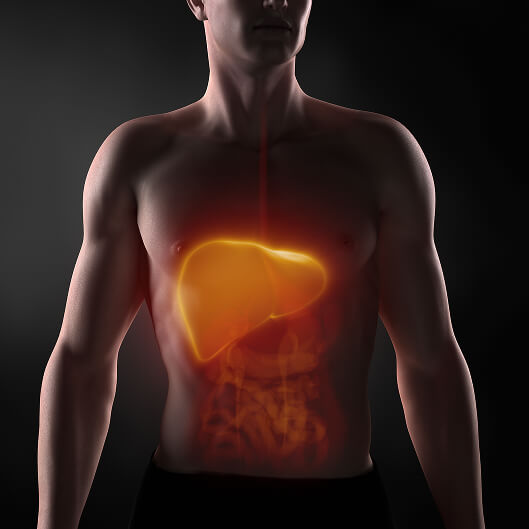
Liver transplantation is a life-saving procedure for patients with irreversible liver disease or liver-related complications. Traditional indications include:
- End-stage liver disease (cirrhosis with complications)
- Acute liver failure
- Hepatocellular carcinoma (meeting Milan/UCSF criteria)
- Autoimmune liver diseases (e.g., primary sclerosing cholangitis, primary biliary cholangitis)
- Metabolic liver disorders (e.g., Wilson’s disease, Alpha-1 Antitrypsin Deficiency)
Newer Indications for Liver Transplantation
- Cholangiocarcinoma (selected cases) – Patients following neoadjuvant therapy.
- Hepatic Epithelioid Hemangioendothelioma (HEHE) – Rare liver vascular tumors.
- Neuroendocrine Liver Metastases (NELM) – Highly selected cases with liver-only disease.
- Colorectal Liver Metastases (Experimental cases) – Undergoing clinical trials.
- Acute-on-Chronic Liver Failure (ACLF) – An emerging indication for transplantation.
Liver Transplantation
Types of Liver Transplantation
1. Deceased Donor Liver Transplant (DDLT) ( Restricted only to public sector hospitals)
- The liver is obtained from a brain-dead donor.
- Can be performed as:
- Whole liver transplant – The entire liver is transplanted.
- Split liver transplant – The liver is divided and used for two recipients (usually an adult and a child).
2. Living Donor Liver Transplant (LDLT)
- A portion of the liver is transplanted from a living donor to the recipient
- Types of LDLT:
- Right lobe liver transplant – More commonly used for adult recipients.
- Left lobe liver transplant – Often used for children or small adults.
- Left lateral segment transplant – Used mainly for pediatric recipients.
- Extended right lobe transplant – Includes the right lobe with middle hepatic vein
3. Auxiliary Liver Transplantation
- A portion of a healthy liver is transplanted, while the recipient’s diseased liver remains.
- Used for acute liver failure where liver regeneration is expected.
- Variants:
- Auxiliary Partial Orthotopic Liver Transplantation (APOLT) – Part of the donor liver supports the recipient’s native liver.
- Heterotopic Auxiliary Liver Transplant – The donor liver is placed in another location, keeping the native liver.
Special types of Liver Transplantation
1. ABO-Incompatible Liver Transplantation
- Liver transplant between incompatible blood groups.
- Requires special treatments (e.g., plasmapheresis, rituximab) to prevent rejection.
2. Dual Graft Liver Transplantation
- Two partial liver grafts (from two living donors or one living and one deceased donor) are used for a single recipient.
- Performed when one donor graft is too small for the recipient.
3. Auxiliary Partial Liver Transplant for Metabolic Disorders
- Used for genetic liver diseases (e.g., urea cycle disorders).
- Provides functional donor liver while preserving part of the native liver
Liver Transplant Variants in Specific Conditions
1. Liver Transplant for Hepatocellular Carcinoma (HCC)
- Used in patients meeting Milan or UCSF criteria.
- Can be performed with bridging therapies before transplant.
- Liver Transplant for Acute Liver Failure
2. Emergency liver transplantation in patients with fulminant liver failure.
3. Liver Transplant for Metabolic Liver Diseases.
- Used in conditions like Wilson’s disease, Crigler-Najjar syndrome, and urea cycle disorders.
4. Liver Transplant for Cholestatic Liver Diseases.
- Used in primary biliary cholangitis (PBC), primary sclerosing cholangitis (PSC), and biliary atresia.
5. Severe Polycystic Liver disease
Liver Transplant for Emerging Indications
- Colorectal Liver
- Hilar cholangiocarcinoma ( Bile duct cancer )
- Hepatic Epithelioid Hemangioendothelioma (HEHE)
- Neuroendocrine Liver Metastases (NELM
- Fibrolamellar Hepatocellular Carcinoma (FLC)
- Cystic Liver Tumors
- Hepatoblastoma ( Children)>
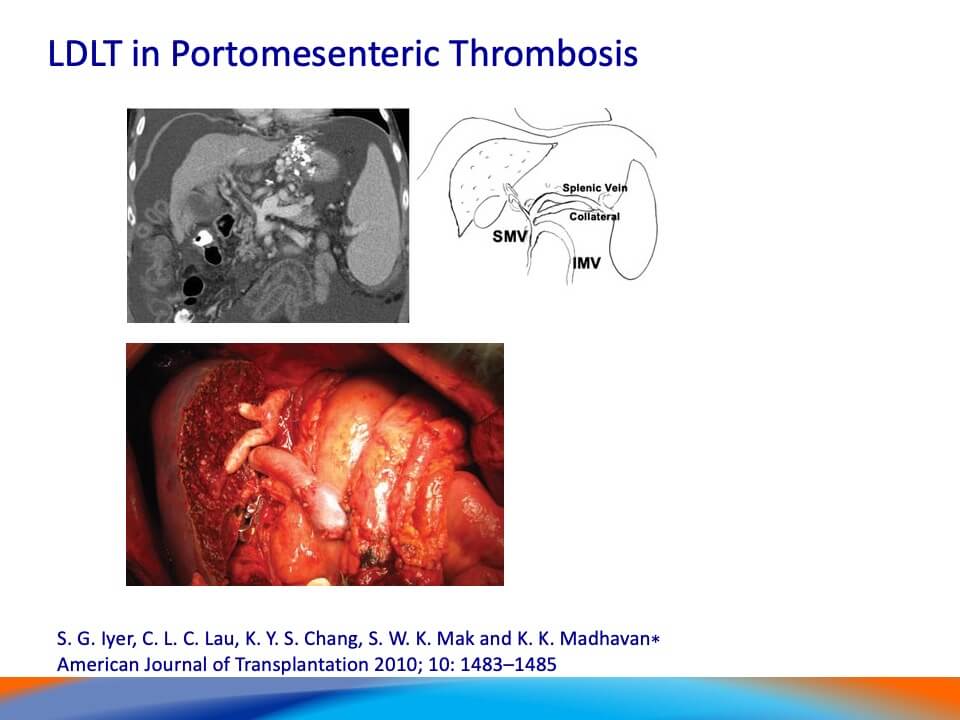
When to Seek Medical Attention?
If you experience any of the following symptoms, consult a specialist immediately:
✔ Persistent or severe abdominal pain
✔ Yellowing of the skin or eyes (jaundice)
✔ Unexplained weight loss or loss of appetite
✔ Swelling in the abdomen or legs
✔ Fever with chills, especially with abdominal pain
✔ Mental confusion or drowsiness (linked to liver disease)

Advanced Liver-Biliary, Pancreatic & Surgical Clinic Pte Ltd